
As a graphic designer, it’s easy to get caught in a cycle of back-to-back client projects, revisions, and deadlines. While that work is super important (and often pays those relentless bills), it’s just as crucial to carve out space to create for yourself, without briefs, boundaries, or external expectations.
Designing for yourself isn’t just a fun side activity. It’s an investment in your creativity, your career, and your confidence. For this very reason you’ll often see me using the hashtag ‘always creating’ in my social posts. Here’s why making time for personal projects should be a non-negotiable part of your design journey.
Reignite your creative freedom
Client work often comes with constraints in the shape of brand guidelines, timelines, and approval chains. While constraints can fuel creativity, too many can also box it in.
Creating for yourself brings back total creative freedom. You get to:
-
Explore new styles and mediums
-
Try weird ideas without fear of rejection
-
Follow your curiosity wherever it leads
This freedom helps you reconnect with why you became a designer in the first place and keeps burnout at bay.
Build and strengthen your voice
When you’re always designing to fit someone else’s vision, your own creative voice can start to fade. Personal projects are where your identity as a designer gets to shine.
By regularly experimenting on your own:
-
You define what you like and value in design
-
You develop a recognisable style or point of view
-
You attract work that aligns with your personal aesthetic
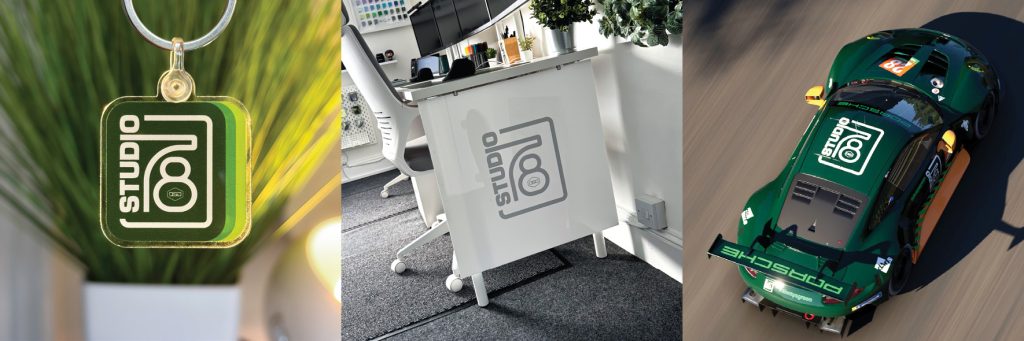
Your voice is your signature and personal work helps you find it. As an outlet it can also help to reinforce your overall brand, with a good example being the DSD ‘Studio 78’ motif. This particular design is, and always will be, a personal side project; but at the same time gives the studio space at number 78 its own retro inspired character, much like myself!
Create a stronger, more authentic portfolio
Your portfolio shouldn’t just be a collection of client work, it should reflect who you are as a designer. Personal projects often become the most shared, noticed, and loved parts of a portfolio because they feel authentic and bold.
Plus, when you create without limits, you can:
-
Fill gaps in your portfolio (e.g. app design, branding, packaging)
-
Tell richer stories about your process and thinking
-
Showcase skills you haven’t had the chance to use in paid work
Remember… the work you show is the work you’ll attract. Make it count.
Say what you want to say
Design is a powerful form of communication. When you design for yourself, you can use that power to speak up on causes you care about, explore personal themes, or connect with communities.
Whether it’s a passion project, a visual diary, or social commentary, personal work allows you to express your values and beliefs through design.
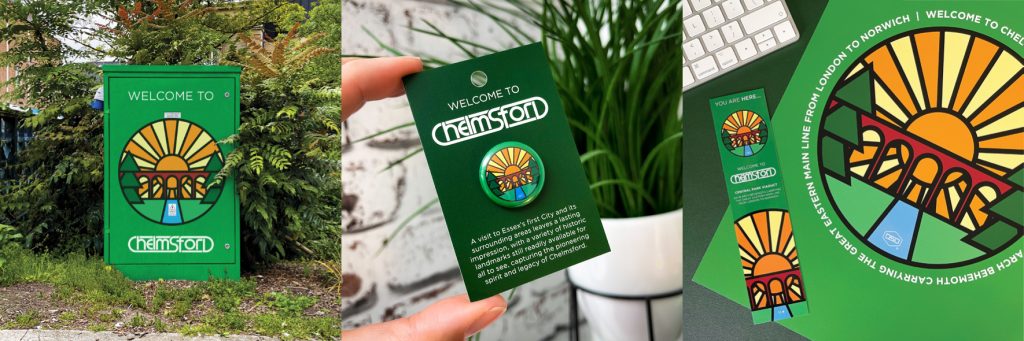
This kind of work often resonates deeply and can build real connection and impact beyond the design world. I’d like to think that the DSD ‘Welcome to Chelmsford’ range displays this type of connection with our local community, demonstrating our unwavering pride in being Chelmsford-based for the entirety of the brand’s 17 year existence.
Keep the joy alive
When you create just to create, with no expectations or external pressure, you rediscover the joy of making. That joy is what sustains creativity over the long term.
It’s what helps you:
-
Stay energised and inspired
-
Bounce back from creative blocks
-
Avoid burnout or feeling like a ‘design machine’
Designing for yourself is how you keep the craft fun – and how you stay creatively alive in a career that can sometimes feel transactional.
Final thoughts
Don’t wait for free time or perfect conditions to create for yourself. Treat it like part of your practice, as essential as any paid project or deadline. Start small if you need to, one poster a week, one concept a month, or one hour every Sunday.
The payoff? A richer creative life, stronger skills, a deeper sense of self and a design career that’s truly yours.
What’s your next personal project? Start it. Nurture it. Share it. The best work often begins when you design just for you.
